-
My thoughts about office/remote work

Commonly people ask me what are my opinion about working from ofice versus working from home and my opinion never changed since my first job. Let me be perfectly clear, this is my opinion as a Software Engineer. This opinion works for me due to the type of work I do. I only share it… Continue reading
-
Preventing duplicate action calls
In every single application you work on, you must apply some kind of mechanism to prevent the user to click twice in the same button when performing a single action. If you ignore this fact, your application can behave unexpected and your data become corrupted. But why this is a problem? Let’s see an example:… Continue reading
-
Refresh a child block from its parent
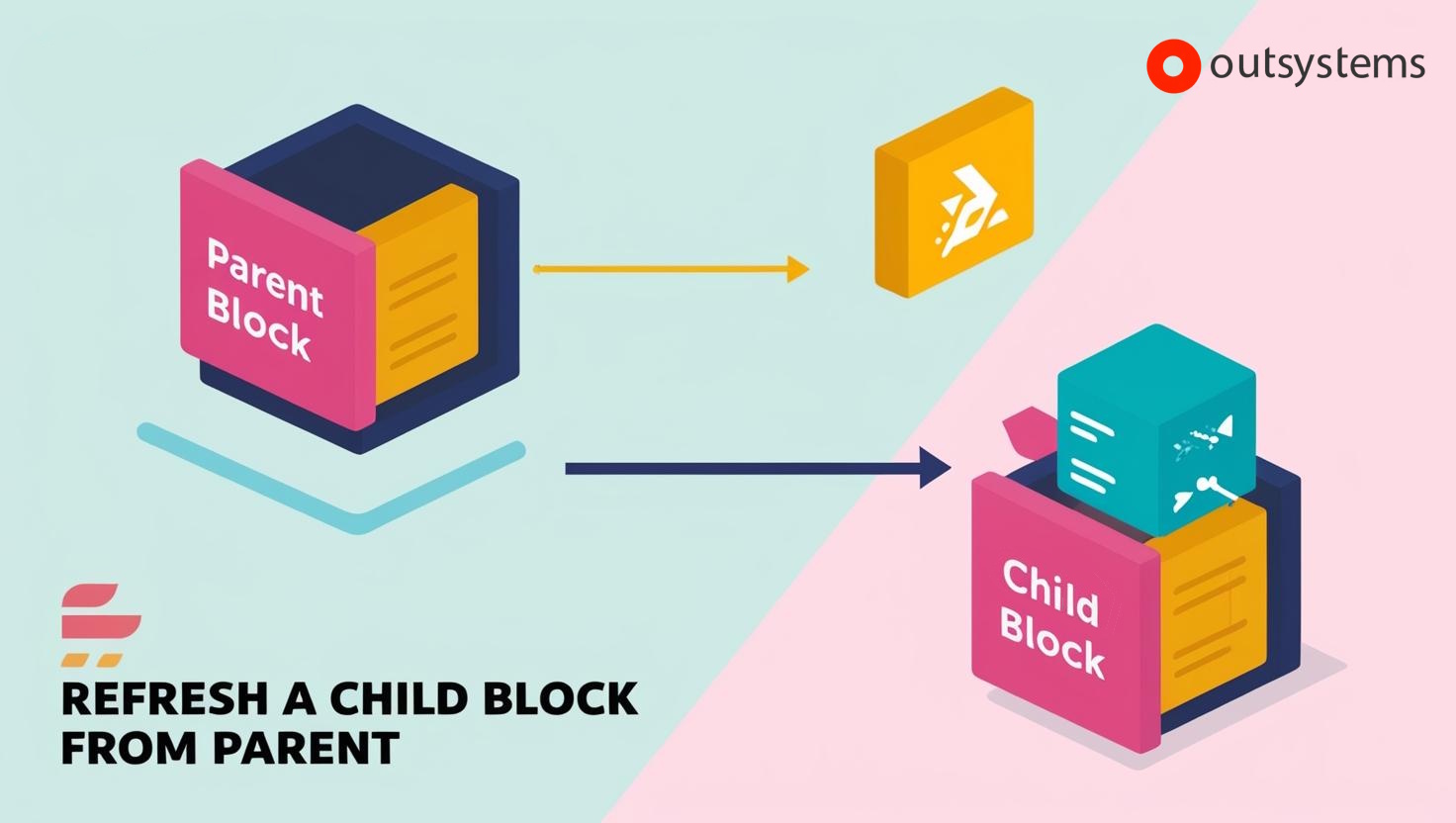
My best days are the ones I learn something and today a college shared the following link with me: https://success.outsystems.com/documentation/how_to_guides/front_end/how_to_call_a_block_action_in_a_mobile_screen/, and this immediately remembered the use case where i need to force a refresh on something that lives inside a block, from the parent. First things first. Let me share what I typically do… To… Continue reading
-
Create or Update CS Pattern

I’m considering that if you’re interested in this topic, you might be a OutSystems developer and each time you create a new database entity, you create a public action in the related CS module named «EntityName»_CreateOrUpdate.I’ve seen multiple ways to define the code that it’s wrapped inside this action, but I also ended up by… Continue reading
-
Can I use Database Indexes to avoid fields with duplicated values?

TLDR: It depends if the field is required or not! Ensuring data integrity is a crucial aspect of database management, and avoiding duplicate values in specific fields is a common challenge. In OutSystems, developers often wonder whether they can rely on database indexes to enforce uniqueness. For this example, lets consider our Contact entity, and… Continue reading
-
Do you Debounce?
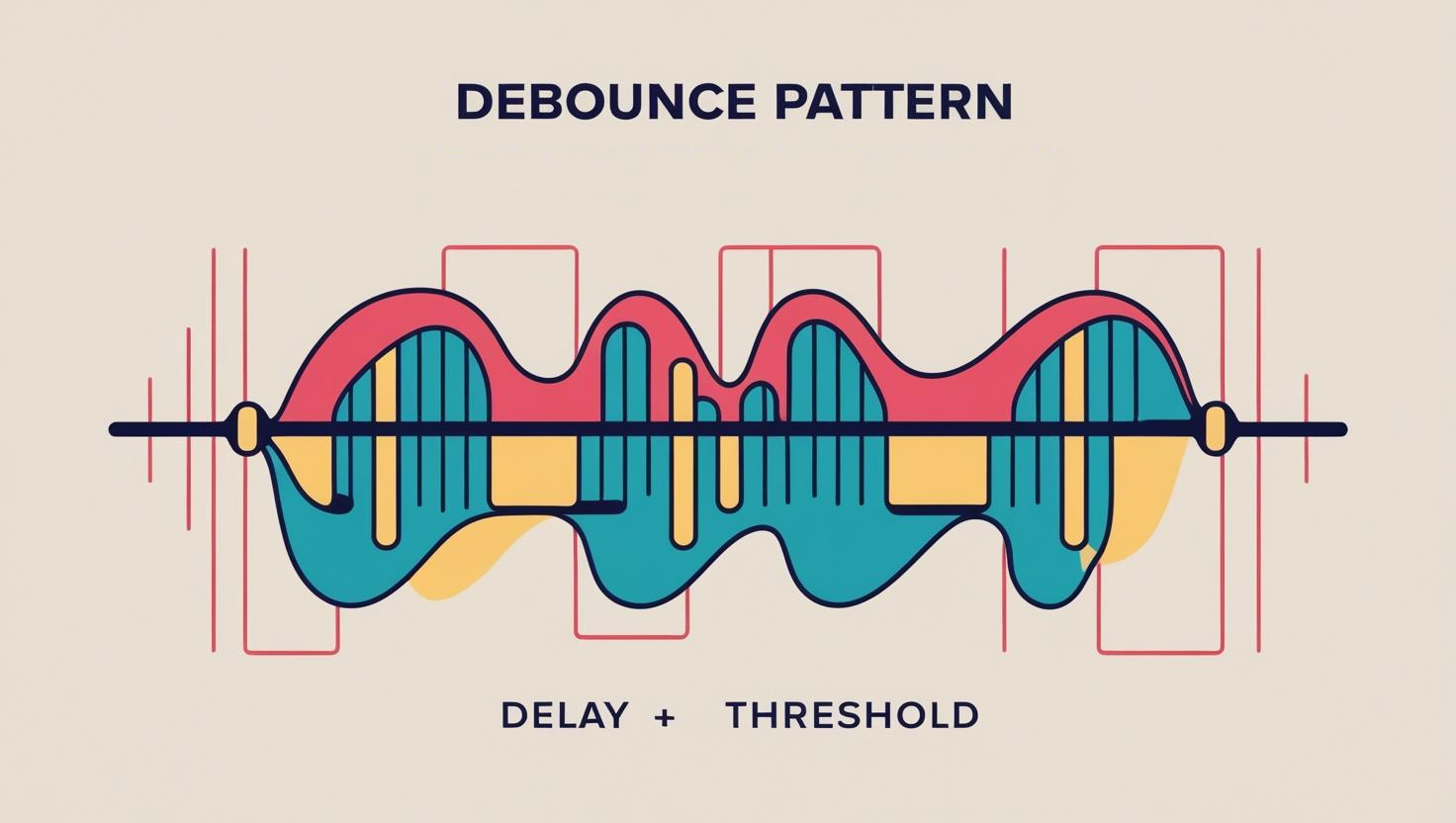
What is Debounce? Debounce is a programming technique used to limit the rate at which a function executes. It ensures that a function is only triggered after a specified delay since the last time it was invoked. This is particularly useful for optimizing performance in scenarios like handling user input events (e.g., key presses, button… Continue reading
-
Anonymizing Data

I guess that you already had a need to anonymize some data!You have a lot of real world information containing person names, addresses, phone numbers, email, etc… and you need to import that information into a production database. However you need to test this in other environments such as Development or Quality, and by the… Continue reading
-
Automate Solution Publishing

You might have have a need to automatically publish a Outsystems Solution at a desired time (probably overnight when this don’t affect anyone) to be able to start the next day with all modules refreshed. If you have/had this need, you should also know that Outsystems don’t have this kind of automation. Let’s take a… Continue reading
-
Proper Action Authorization and Validation
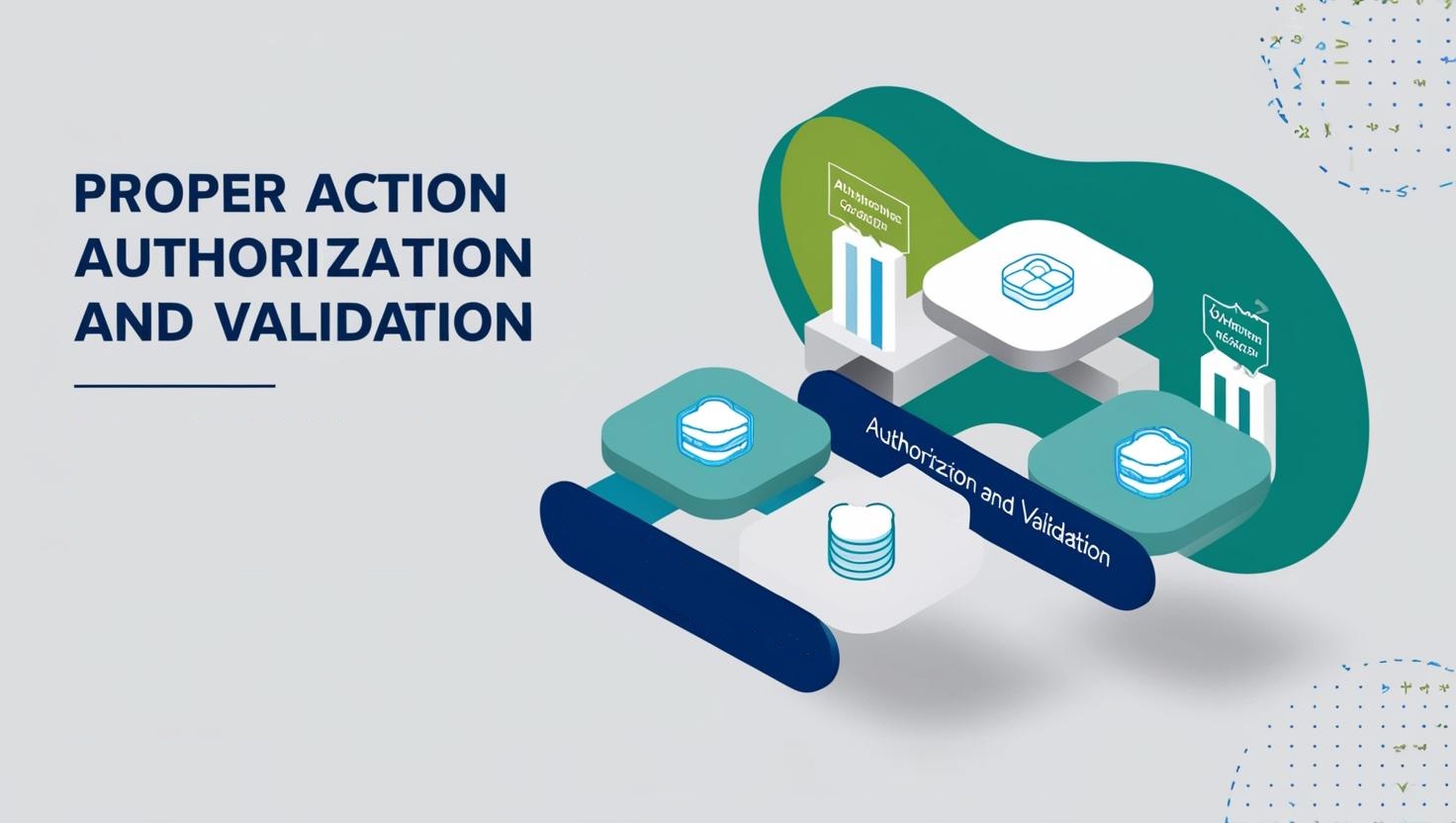
In this article I’ll describe a way to validate if only authorized users are allowed to perform operations. Let’s consider a simple scenario where we have Contacts that are associated with Companies and the following rules apply:– Rule 1: Users must always be associated with a single Company;– Rule 2: Users can only change their… Continue reading
-
Avoiding Database Update Concurrency

Today we’re seeing how can we avoid database concurrency while saving records in the database. As we could see in the previous articles:1. CRUD Pattern – Alert nr. 1 – I’ve shown you a way to avoid changing fields that are supposed to be immutable;2. Validation is Golden Rule – I’ve enforced an idea that you should… Continue reading
